
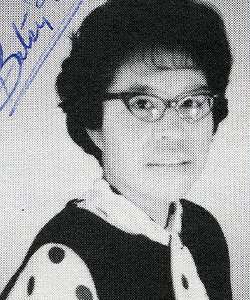


Excerpts from their written contribution to the book Did You See Us? – Reunion, Remembrance, and Reclamation at an Urban Residential School:
“Finally, in 1961-62, I was transferred to Assiniboia Residential School in Winnipeg, where I experienced deep-rooted culture shock. The environment felt so alien. I felt lost, lonely, confused, a total shattered wreck. I felt so bruised, damaged, and couldn’t concentrate on my studies due to isolation. I cowered under authority figures, very passive, withdrawn, introverted, and so on.”
“I came to Assinboia Residential School wearing moccasins, which were thrown away; and I had to wear uncomfortable black-and-white Oxfords instead.”
“I remember Assinboia Residential School as a hub of constant activity. Students remained busy with extracurricular activities such as hockey, football, curling, carnivals, army cadets, cheerleading, skating demonstrations, and so forth.”
“I remember the highlights – whenever our boys brought back hockey and football trophies as champions. We felt Native pride right there within our own circle of successes. Our student council published a first edition of Keewatin yearbook, a lasting souvenir of Assiniboia Residential School.”
“Many of my residential school colleagues are gone. My heart will always ache for them. Only a few of us residential school Survivors remain to this day and were strong enough to voice out, “This was not right.””
“The abuse there was not too invasive, but was still there, only invisible. I remember the highlights – wherever our boys brought back hockey and football trophies as champions. We felt Native pride right there within our own circle of success. Our student council published a first edition of Keewatin yearbook, a lasting souvenir of Assiniboia Residential School.”